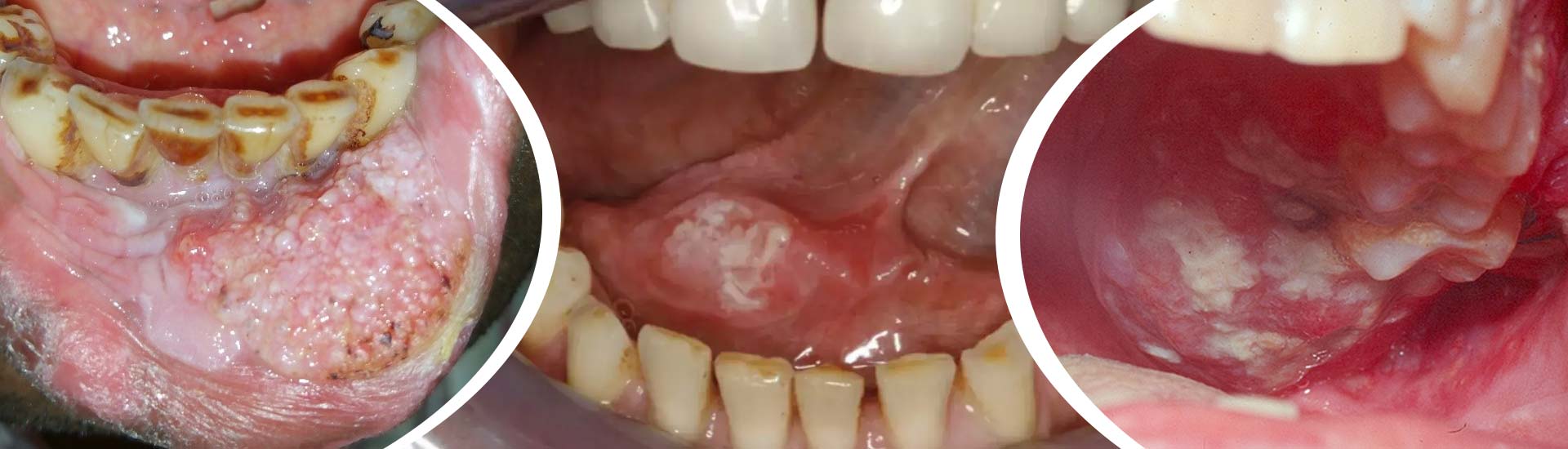

Key Difference between Oral Cancer and Other Mouth Diseases
When it comes to oral health, many conditions may appear similar at first glance, but understanding the differences between oral cancer and other common mouth diseases is crucial. While issues like mouth ulcers, infections, and gum diseases are often temporary and manageable. Oral cancer is more serious condition that needs immediate medical attention. With rising awareness and better access to oral cancer treatment in Kolkata, early detection is now more achievable than ever. It is very important to identify the disease quickly. So, we should consult an experienced mouth cancer specialist or oral surgeon in a regular interval if any guilty found inside mouth.
Oral cancer, or mouth cancer, usually affects the lips, tongue, gums, inner cheeks, palate, and the floor of the mouth. It occurs when abnormal cells begin to grow uncontrollably, forming tumours that may spread if left untreated. In our previous blog, “Mouth Cancer Explained: A Guide to Detection and Treatment,” we discussed the importance of early diagnosis. Here, we focus on how oral cancer differs from other mouth-related diseases that may show somewhat similar symptoms.
How Oral Cancer Differs from Common Mouth Diseases
1. Duration of Symptoms
Mouth ulcers, infections, or irritations typically heal within a week or two. In contrast, oral cancer symptoms persist for longer periods. A sore that does not heal even after two weeks is a strong warning sign.
2. Appearance and Severity
Benign mouth conditions like canker sores appear as small, painful lesions but usually fade away. Oral cancer lesions, however, may appear as thick patches, rough spots, unusual lumps, or red and white streaks that gradually worsen.
3. Pain and Sensitivity
Gum disease or infection can cause pain, but the discomfort usually improves with proper medication. Oral cancer often causes persistent pain, difficulty swallowing, speech changes, or unexplained bleeding.
4. Growth Pattern
Non-cancerous conditions such as oral thrush can spread but respond well to treatment. Oral cancer, on the other hand, grows aggressively and can spread to other organs if not treated in time. Common mouth diseases cure completely after using some common medicine along with leave bad habits.
Risk Factors Unique to Oral Cancer
The risk of oral cancer rises sharply due to habits like tobacco consumption and heavy alcohol use, along with factors such as HPV infection, inadequate nutrition, and long-term exposure of the lips to sunlight. Other mouth diseases may not always be linked to these factors.
Early detecting is most important for oral cancer
Timely diagnosis greatly improves survival rates and treatment success. If symptoms like persistent ulcers, difficulty chewing, lumps, or numbness last more than 14 days, immediate medical consultation is crucial. With advanced healthcare facilities offering mouth cancer treatment in Kolkata, individuals can access expert oncologists and modern therapies with ease.
FAQs
1. Are all mouth sores a sign of oral cancer?
No. In most cases, mouth sores clear up within 10–14 days, but if a sore stays longer than this, it’s important to have it checked by a medical professional.
2. What is the first noticeable symptom of oral cancer?
A non-healing ulcer, red or white patch, or a persistent lump is often the earliest sign.
3. Is oral cancer painful?
No, it is not always. Some patients feel no pain initially, which is why regular check-ups are important.
4. Where can I find reliable oral cancer treatment in Kolkata?
Kolkata has many reputed hospitals and experienced oncologists offering specialized treatment for oral and mouth cancer.
5. Can oral cancer be cured?
Yes. When detected early, the chances of successful recovery are significantly higher with proper treatment.
It is better to consult an experience doctor as quick as possible rather than experiment by yourself. It may not only save your life but also provide you a better life.