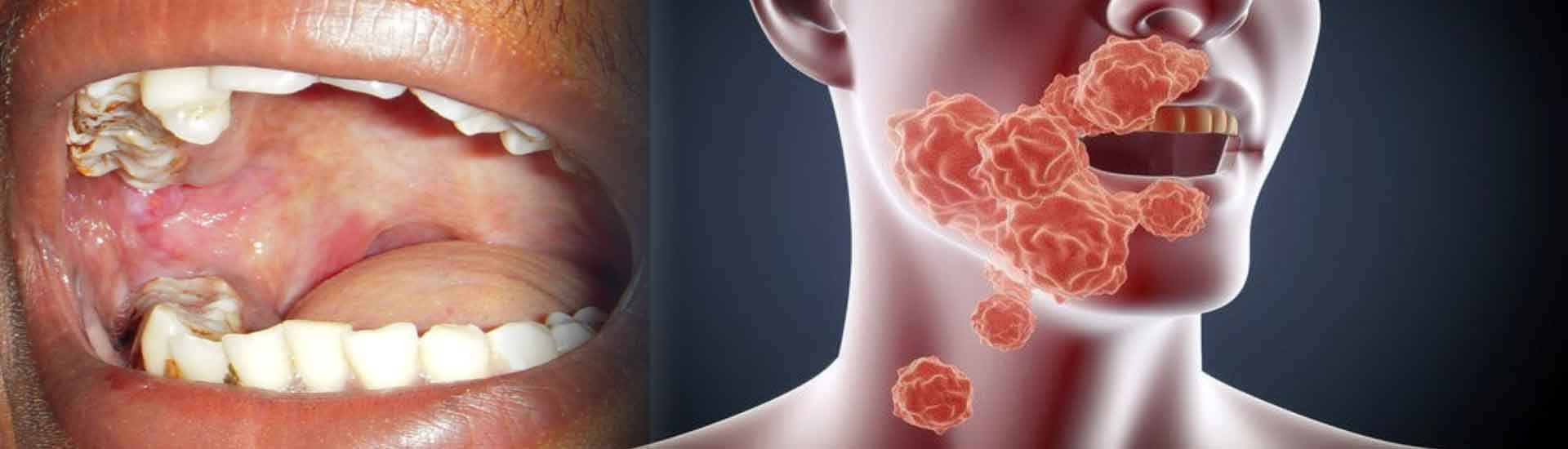

Oral Submucous Fibrosis OSMF Symptoms, Treatment and Oral Cancer Risk
Oral Submucous Fibrosis (OSMF) is a chronic condition affecting the tissues inside the mouth. It gradually makes the oral tissues less flexible and can cause increasing difficulty in opening the mouth, eating and maintaining normal oral function.
OSMF is particularly associated with areca-nut consumption, including products such as supari, gutkha, pan masala and betel quid containing areca nut. Importantly, a product does not have to contain tobacco to be associated with OSMF.
Because OSMF is considered an oral potentially malignant disorder, people diagnosed with the condition should receive appropriate treatment and long-term oral examination.
What is Oral Submucous Fibrosis?
Oral Submucous Fibrosis is a progressive fibrotic disorder of the oral mucosa. With continued exposure to areca nut, the tissues inside the cheeks and other parts of the mouth can gradually become thickened, stiff and less elastic.
One of the most characteristic clinical problems is reduced mouth opening, which may progressively interfere with eating, speaking, oral hygiene and dental treatment.
Early diagnosis is therefore important, particularly in people who regularly consume supari, gutkha or other areca-nut products.
What causes OSMF?
The strongest association is with regular areca-nut consumption.
Areca nut may be consumed in several forms, including:
- Supari
- Gutkha
- Pan masala containing areca nut
- Betel quid
- Flavoured or sweetened areca-nut products
- Other commercially available chewing preparations containing areca nut
A common misconception is that tobacco-free pan masala or supari is harmless. Areca nut itself is an important risk factor for OSMF.
Early Symptoms of OSMF
OSMF often develops gradually. Some people initially experience only mild discomfort and may not realise that a progressive oral condition is developing.
Early symptoms can include:
- Burning sensation while eating spicy food
- Tightness of the cheeks
- Increased sensitivity inside the mouth
- Reduced flexibility of the cheek tissues
- Pale or blanching oral mucosa
- Mild difficulty eating certain foods
- Early reduction in mouth opening
If these symptoms occur in someone who regularly consumes areca nut, an oral examination should not be delayed.
Advanced Symptoms of Oral Submucous Fibrosis
As the fibrosis progresses, patients may experience:
- Progressive reduction in mouth opening
- Stiff or tight cheeks
- Fibrous bands inside the cheeks
- Difficulty chewing
- Difficulty swallowing certain foods
- Reduced tongue movement
- Difficulty maintaining oral hygiene
- Increasing difficulty receiving dental treatment
Severe OSMF can produce significant trismus, making even routine dental procedures difficult.
Can OSMF Cause Oral Cancer?
OSMF is classified as an oral potentially malignant disorder.
This does not mean that everyone with OSMF will develop oral cancer. However, studies have documented malignant transformation in patients with OSMF.
The risk estimates reported in scientific literature vary between studies and populations. This is why patients with OSMF should not simply treat the condition as a problem of reduced mouth opening.
The oral mucosa should also be examined periodically for suspicious changes such as:
- A persistent ulcer
- Red or white patches
- A lump or thickened area
- Unexplained bleeding
- Persistent pain
- A change in an existing lesion
A suspicious lesion may require further investigation, including a biopsy.
OSMF Treatment
Treatment depends on the severity and stage of the disease.
- Stop areca-nut consumption
The most important first step is to completely stop consuming:
Supari | Gutkha | Pan masala containing areca nut | Areca-nut preparations
Changing from one areca-nut product to another is not an effective solution.
Stopping the habit may not immediately reverse established fibrosis, but it removes the ongoing exposure associated with progression of the disease. - Mouth-opening exercises
Mouth-opening exercises can be an important part of OSMF management.
The objective is to maintain or improve functional mouth opening and reduce the impact of progressive fibrosis.
The exercise program should ideally be prescribed according to the patient’s condition rather than performed aggressively without guidance. - Medical treatment
Depending on the stage of OSMF, different medical treatments may be considered.
Treatment may include medications or local therapies intended to improve symptoms and tissue flexibility.
However, there is no single medication that can be considered a definitive treatment for every patient with OSMF. - Surgical treatment for advanced OSMF
Patients with severe fibrosis and significant restriction of mouth opening may require surgical management.
Depending on the individual case, surgical treatment may involve releasing fibrotic bands and reconstructing the affected tissues.
Surgery is not required for every patient with OSMF. The decision depends on factors such as:
- Degree of mouth-opening restriction
- Extent of fibrosis
- Functional difficulty
- Previous treatment
- Condition of the oral mucosa
- Presence of suspicious lesions
Appropriate postoperative rehabilitation is also important.
When Should You See an Oral & Maxillofacial Surgeon?
You should consider an evaluation if you have:
- Difficulty opening your mouth
- Burning while eating
- Tightness of your cheeks
- Progressive reduction in mouth opening
- Fibrous bands inside your mouth
- A persistent white or red patch
- A mouth ulcer that does not heal
- A lump or thickened area
- Difficulty eating because of restricted mouth opening
- A history of regular supari, gutkha or areca-nut consumption
An Oral & Maxillofacial Surgeon in Kolkata can assess the degree of fibrosis, examine the oral mucosa and determine whether additional investigations are required.
OSMF Treatment in Kolkata
If you are looking for OSMF treatment in Kolkata, evaluation should involve more than simply measuring mouth opening.
A proper examination should assess:
Areca-nut exposure → Oral mucosal changes → Fibrosis → Mouth opening → Suspicious lesions → Need for biopsy → Appropriate treatment → Follow-up
Early assessment can help identify the condition before severe restriction develops.
Patients from Kolkata, Patuli, Garia, Jadavpur, Sonarpur and surrounding areas who have symptoms suggestive of OSMF can seek evaluation from an Oral & Maxillofacial Surgeon.
Can OSMF Be Completely Reversed?
The possibility of improvement depends on how advanced the fibrosis is.
Early disease may respond better to habit cessation and conservative management. Established fibrosis may persist even after stopping areca nut and may require additional treatment.
Therefore, early diagnosis is preferable to waiting until mouth opening becomes severely restricted.
Frequently Asked Questions About OSMF
Is OSMF caused only by tobacco?
No. Areca nut itself is strongly associated with OSMF. The condition can occur in people who do not consume tobacco.
Can supari cause OSMF?
Yes. Regular areca-nut consumption, including supari, is an important risk factor for OSMF.
Can OSMF become oral cancer?
OSMF is considered an oral potentially malignant disorder. This means that patients have an increased risk of malignant transformation compared with people without the disorder, but it does not mean that every patient will develop cancer.
Will stopping gutkha cure OSMF?
Stopping gutkha or other areca-nut products is essential, but established fibrosis may not disappear completely after cessation. Additional treatment may be necessary.
Can OSMF reduce mouth opening?
Yes. Progressive restriction of mouth opening is one of the characteristic features of OSMF.
Does every OSMF patient require surgery?
No. Treatment depends on the severity and stage of the disease. Advanced cases with severe functional restriction may require surgical management.
Can OSMF be treated?
OSMF can be managed, and treatment is tailored according to the severity of fibrosis, mouth opening, symptoms and oral mucosal changes.
Important Message for Supari and Gutkha Users
If your mouth is becoming increasingly difficult to open, don’t ignore it.
Burning while eating, cheek tightness and progressive reduction in mouth opening can be early warning signs of Oral Submucous Fibrosis.
Stopping areca-nut consumption and getting an early oral examination can help identify the condition and allow appropriate treatment and follow-up.
Don’t wait until you can barely open your mouth. Get an early oral examination.