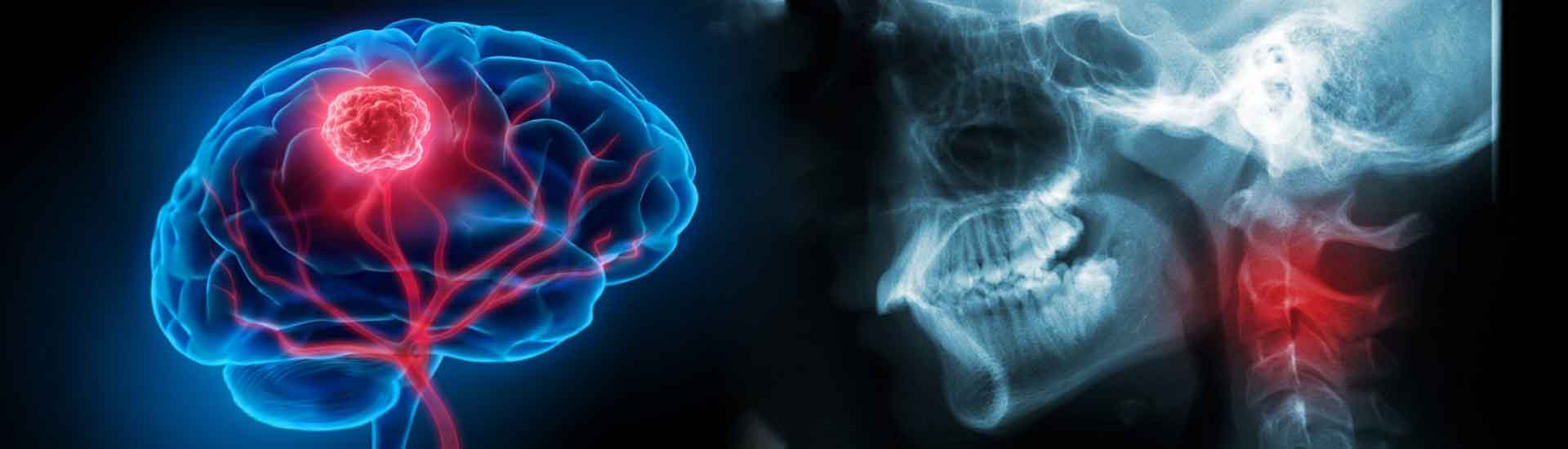

Role of Medical Technology in Head and Neck Cancer Care
Medical technology has made a major difference in the diagnosis and treatment of head and neck cancer. Modern equipment and advanced treatment methods help doctors identify cancer at an early stage and provide better care. These developments also help improve treatment accuracy and support patient recovery. Today, patients can benefit from advanced medical facilities and expert guidance throughout their treatment journey.
Early Diagnosis Through Advanced Technology
Modern medical tools help doctors examine affected areas and identify unusual changes. Imaging tests such as CT scans, MRI scans, and PET scans provide detailed pictures of the affected tissues.
These examinations allow doctors to identify where the tumour is located and determine its size. Biopsy procedures also help confirm whether the growth is cancerous. An experienced oral cancer surgeon can use these reports to understand the condition and plan suitable treatment.
Better Treatment with Modern Surgical Techniques
Medical technology has improved the way cancer surgeries are performed. Advanced surgical instruments allow doctors to remove cancerous tissues with better precision. In selected cases, minimally invasive and robotic-assisted procedures may help reduce damage to surrounding healthy tissues.
A skilled Head and neck surgeon carefully examines the patient’s condition before recommending surgery. These modern techniques can also help reduce recovery time in suitable cases. However, the treatment method depends on the cancer stage, tumour location, and overall health of the patient.
Role of Radiation and Chemotherapy Technology
Radiation therapy and chemotherapy are commonly used to treat different types of head and neck cancer. Modern radiation techniques help doctors target cancer cells more accurately while limiting exposure to nearby healthy tissues.
Technologies such as Intensity-Modulated Radiation Therapy (IMRT) allow better control over radiation delivery. Advanced treatment planning also helps doctors select suitable radiation doses. Depending on the condition, chemotherapy may be combined with radiation or surgery for better disease management.
Importance of Expert Cancer Specialists
Technology works best when experienced specialists use it correctly. Cancer treatment often requires teamwork between surgeons, oncologists, radiologists, and other healthcare professionals.
Consulting an experienced Oral Oncology Surgeon in Kolkata can help patients understand their diagnosis and available treatment options. A qualified Head and neck cancer surgeon in Kolkata can also guide patients through surgical planning, treatment, and follow-up care.
An expert Oral oncology surgeon evaluates the affected areas and recommends treatment according to the patient’s medical condition. Regular follow-up visits are also important for monitoring recovery and identifying possible complications.
Improved Recovery and Patient Care
Modern medical technology supports more than just cancer treatment. It also helps patients manage the effects of surgery and other therapies. Reconstructive surgery can help restore certain facial structures and functions after cancer removal.
Speech therapy, swallowing support, and rehabilitation programmes can improve daily activities and quality of life. Digital medical records and follow-up systems also help doctors monitor patient progress.
For more information about symptoms and early detection, read our previous blog, “Early Warning Signs of Head and Neck Cancer.”
Conclusion
Medical technology has created new opportunities for better head and neck cancer care. Advanced diagnosis, precise surgery, improved radiation techniques, and rehabilitation support help doctors provide more effective treatment. However, early consultation and proper medical guidance remain essential. Choosing an experienced cancer specialist can help patients receive suitable care at every stage.
Frequently Asked Questions (FAQs)
- How does medical technology help in head and neck cancer treatment?
It helps doctors detect cancer, examine tumours, plan treatments, perform surgery, and monitor recovery. - Which tests are used to diagnose head and neck cancer?
Doctors may recommend CT scans, MRI scans, PET scans, physical examinations, and biopsies. - Can modern technology improve cancer surgery?
Yes. Advanced surgical tools and selected robotic-assisted techniques can improve surgical precision and help protect nearby healthy tissues. - When should I consult an oral cancer surgeon?
You should seek medical advice if you notice a persistent mouth ulcer, unusual lump, difficulty swallowing, voice changes, or other concerning symptoms. - How can I find a Head and neck cancer surgeon in Kolkata?
Look for a qualified specialist with relevant experience in head and neck cancer diagnosis, surgery, and treatment planning.