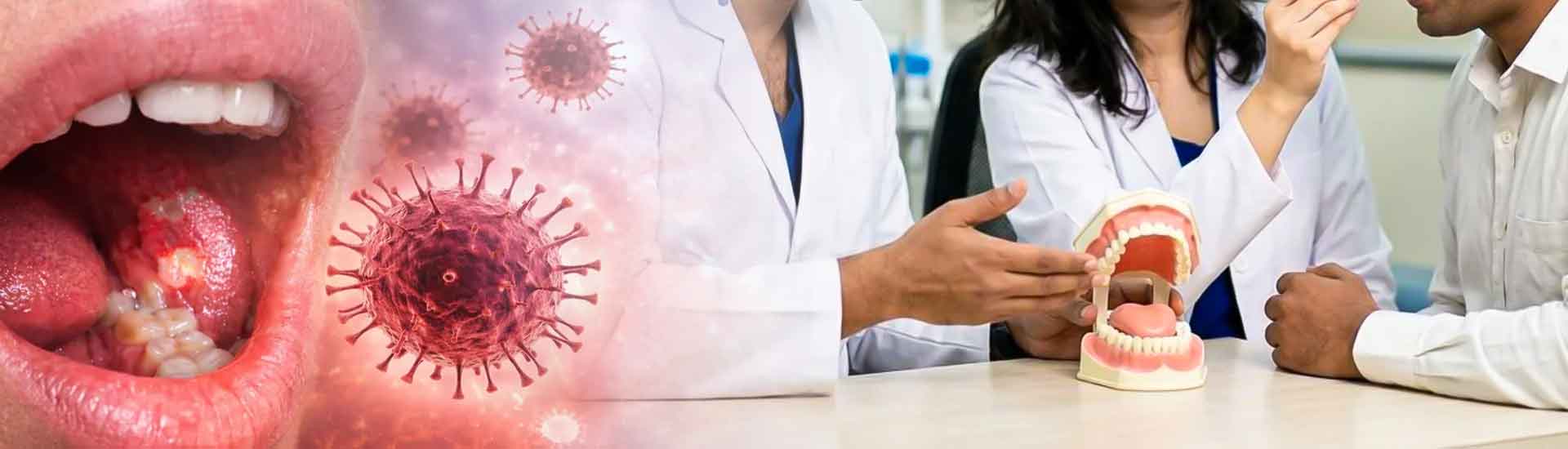

What Every Patient Should Know About Oral Cancer
Oral cancer is a serious health condition that can affect the lips, tongue, cheeks, gums, floor of the mouth, palate, and throat. Early detection and timely treatment significantly improve recovery and quality of life. Understanding the warning signs, risk factors, and available treatment options can help patients take the right steps toward better oral health. If you notice any unusual changes in your mouth that do not heal within two weeks, consult an oral cancer doctor in Kolkata immediately.
Learning about oral cancer
When abnormal cells in the mouth or throat grow out of control, oral cancer develops. Even though it can impact people of any age, it is more prevalent in adults who consume too much alcohol, smoke, or are frequently exposed to hazardous chemicals. Nonetheless, even those who don’t have these risk variables should be mindful of the signs.
Early intervention with a skilled oral cancer surgeon can enhance treatment results and lower the risk of problems.
Common Symptoms of Oral Cancer
Lives can be saved by recognizing the symptoms early. Among the most typical warning indications are:
- A mouth ulcer that does not heal
- White or red patches inside the mouth
- Persistent pain or swelling
- Having difficulty swallowing or chewing
- Dental-cause loose teeth
- A lump found in the throat or mouth
- Sore throat or hoarseness on an ongoing basis
If any of these symptoms persist for more than two weeks, schedule an evaluation with an experienced oral cancer doctor in Kolkata.
Risk Factors You Should Know
Several factors increase the likelihood of developing oral cancer, including:
- Chewing and smoking tobacco
- High alcohol usage
- Infection with human papillomavirus (HPV)
- Lack of proper oral care
- Excessive exposure of the lips to the sun
- A history of cancer in the family
Maintaining a healthy lifestyle and attending regular dental check-ups can reduce the risk of developing oral cancer.
Diagnosis and Treatment
Modern diagnostic techniques help identify oral cancer at an early stage. Your specialist may recommend a physical examination, biopsy, imaging scans, or laboratory tests to determine the extent of the disease.
An experienced oral cancer surgeon works closely with oncologists and other healthcare professionals to create a personalized treatment plan for every patient.
The Role of a Maxillofacial Surgeon
In many cases, a maxillofacial surgeon in Kolkata plays an important role in treating oral cancer. These specialists are trained to perform complex surgeries involving the mouth, jaw, face, and neck. They also help restore appearance and function through reconstructive procedures after cancer surgery, improving speech, chewing, and facial aesthetics.
Early Detection Saves Lives
Routine dental examinations and self-checks are essential for identifying oral cancer early. Delaying treatment can allow the disease to spread, making treatment more challenging. If you experience persistent oral symptoms, consult an experienced oral cancer doctor in Kolkata without delay.
If you enjoyed our previous blog, “Transform Your Smile with Advanced Maxillofacial Treatment,” you’ll understand how advanced surgical care not only restores facial function but also plays a vital role in treating serious conditions like oral cancer. Early diagnosis and expert care remain the foundation of successful treatment.
Conclusion
Oral cancer is a potentially life-threatening disease, but it is highly treatable when detected early. Awareness, regular screenings, and prompt consultation with an experienced oral cancer surgeon or maxillofacial surgeon can make a significant difference. Don’t ever overlook persistent mouth changes. Early action may save your life.
FAQs
- What are the first signs of oral cancer?
Common early signs include mouth ulcers that do not heal, white or red patches, persistent pain, and difficulty swallowing. - Who should I consult for oral cancer treatment?
You should consult an experienced oral cancer doctor or an oral cancer surgeon for proper diagnosis and treatment. - Is oral cancer curable?
Yes. When diagnosed early, oral cancer has a significantly higher success rate with appropriate treatment. - What treatments are available for oral cancer?
Oral cancer treatment may include surgery, radiation therapy, chemotherapy, targeted therapy, or a combination of these treatments. - How can I reduce my risk of oral cancer?
Avoid tobacco, limit alcohol consumption, maintain good oral hygiene, eat a balanced diet, and undergo regular dental check-ups for early detection.